
One year, your teenager still has a couple of baby teeth holding on in the back of their mouth. The next, they’re asking about whitening for homecoming pictures, mentioning a dull ache near a back molar, or wondering out loud if they really have to wear their retainer every night. Teen dental care isn’t a smaller version of adult dentistry, and it isn’t leftover pediatric dentistry either. It’s its own thing, and it’s exactly what we focus on at 248 Dental.
We’re proud to offer dedicated dentistry for teens in Branson, MO, built around a stage of life that moves fast: wisdom teeth start developing, orthodontic treatment often begins or wraps up, and for the first time, your teen starts taking real ownership of their own oral hygiene, good habits and bad ones included. Dr. Heitman and Dr. Willard bring advanced training that covers exactly this in-between stage, from clear aligner orthodontics to adolescent and pediatric care, so your teenager isn’t squeezed into a plan built for someone much younger or much older. Whether it’s a routine cleaning, a first orthodontic evaluation, or somewhere your teen won’t dread going, our team is here to help, without judgment, and without the runaround.
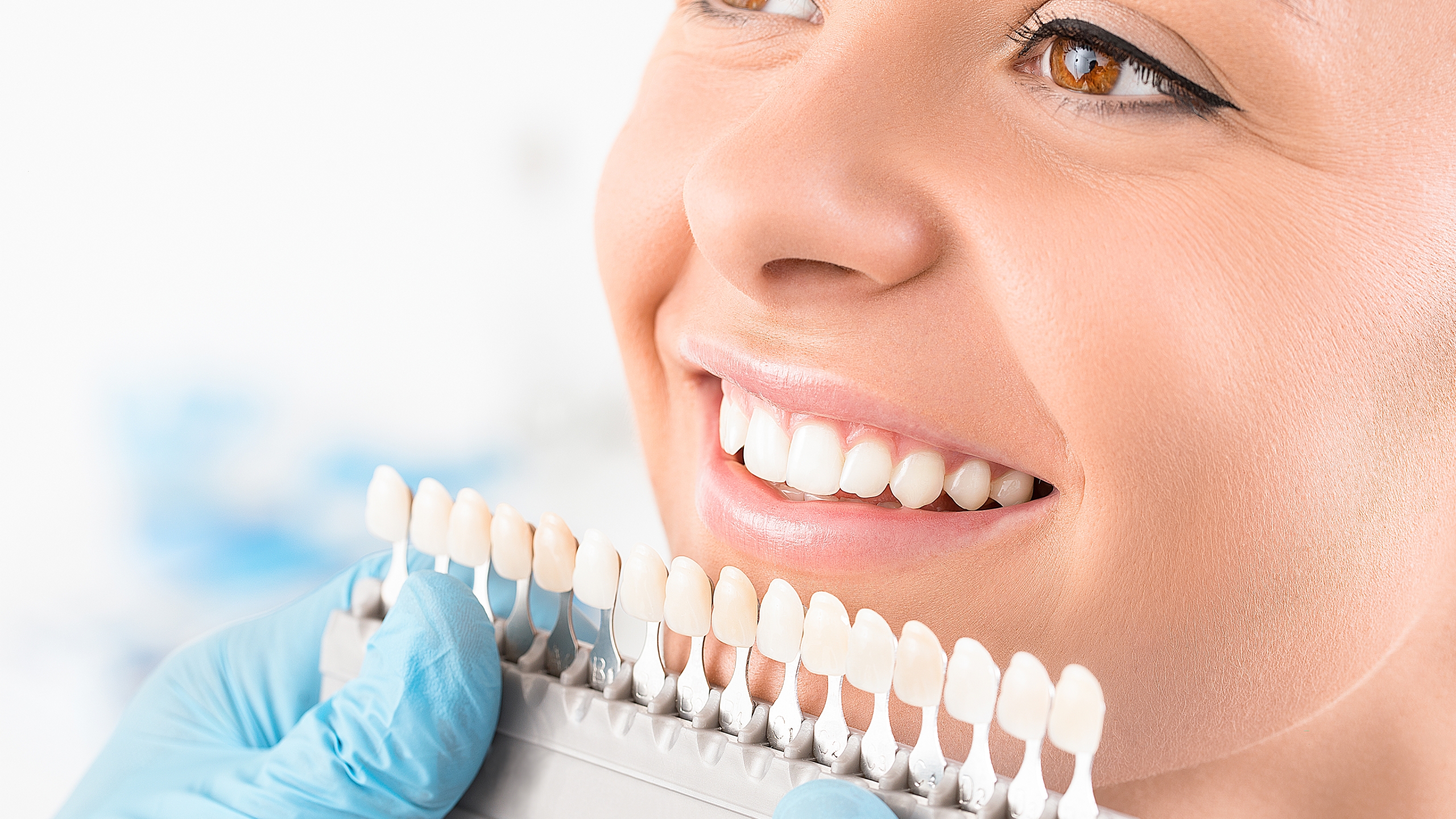
A Smile That Won’t Sit Still
Between the ages of about 11 and 19, more happens inside your teen’s mouth than at almost any other point in their life. The last baby teeth give way to permanent ones. Wisdom teeth begin forming below the gumline years before they’re ever visible. Jaws are still growing, which is exactly why orthodontic treatment so often starts, adjusts, or wraps up during this stretch. On top of the physical changes, most teens genuinely start caring what their smile looks like around this time, whether that means finally being ready to talk about braces they’ve been putting off, or wanting a brighter smile before a big event.
That combination, fast physical change, orthodontic timing, and a teenager’s growing self-awareness- is why we don’t treat teen dentistry as a scaled-down version of adult care or a scaled-up version of a childhood checkup. It gets an approach of its own.
How Teen Dental Care Changes, Year by Year
No two teens develop on the same schedule, but most families move through three loose stages. Here’s what tends to matter most at each one:
Early Teens (around 11–13)
Most permanent teeth, including the first molars, are in place, which makes this a good window for dental sealants and a closer look at whether orthodontic treatment may be needed soon. This is often when we start tracking bite and spacing more closely.
Mid Teens (around 14–16)
Braces or clear aligners are common during these years, along with the first real look at wisdom teeth development on X-rays. Sports schedules tend to ramp up too, which is where a properly fitted sports mouthguard earns its keep.
Older Teens (around 17–19)
Wisdom teeth decisions usually come to a head here, sometimes needing continued monitoring, sometimes needing removal. Teens are also driving, working, and drinking a lot more coffee and soda than they used to, which shows up as cavities and staining. It’s also the stage when many patients are ready to transition toward dentistry for adults.
What Actually Happens at a Teen Appointment
A visit to 248 Dental for a teenager covers more ground than a standard cleaning, even when that isn’t obvious walking in the door.
- Preventive & Diagnostic Care: Exams, professional cleanings, digital X-rays, and fluoride treatments protect newly erupted permanent molars, and sealants are often added right around this age to keep those molars cavity-free.
- Orthodontic Guidance & Clear Aligners: We evaluate bite and alignment at every visit and offer clear aligners as a discreet, removable way to straighten teeth without a mouth full of metal brackets, for teens who are a good fit for them.
- Wisdom Teeth Monitoring: We track wisdom tooth development with routine imaging and let you know well ahead of time whether they’re likely to erupt cleanly, need extraction, or simply need to be watched a little longer.
- Sports Mouthguards & Protection: Between practices, games, and everything in between, active teens face a real risk of chipped, cracked, or knocked-out teeth. We fit custom mouthguards built to protect a teenager’s smile, whether or not they’re wearing braces.
- Cosmetic Confidence: Our cosmetic dentistry services, including professional teeth whitening and dental bonding for chips or minor imperfections, help teens feel good about their smile without anything drastic.
- Cavity & Restorative Care: Busy schedules, sports drinks, and snacking between practices and classes make teens more cavity-prone than most parents expect. Our general dentistry and dental crown services repair decay and damage so teeth stay strong through the next growth spurt.
- Gum Health: Hormonal changes during adolescence can make gums more prone to irritation, especially around braces or aligners. We keep an eye on gum health at every visit and offer periodontal care if it’s ever needed.
Signs It Might Be Time for a Teen Dental Visit
Persistent bad breath despite regular brushing, which can point to hygiene gaps around braces or aligners
- Complaints of pressure or dull pain toward the back of the jaw, a common early sign of wisdom teeth coming in
- Visible crowding, gaps that seem to be widening, or a bite that doesn’t quite line up
- A sports mouthguard that’s cracked, doesn’t fit anymore, or keeps getting left behind at practice
- New self-consciousness about stained, chipped, or crooked teeth
- It’s simply been more than six months since their last cleaning


Paying for Teen Dental & Orthodontic Care
Between cleanings, aligners, mouthguards, and the occasional wisdom-teeth conversation, teen dental care can add up faster than parents expect. If you don’t have dental insurance, ask us about our in-house Dental Savings Plan, built to make routine and orthodontic-adjacent care more predictable.
Ready for dental care that keeps up with your teenager? Contact 248 Dental today to schedule an appointment. We’re proud to offer the most trusted dentistry for teens in Branson, MO!
Frequently Asked Question
What age range does dentistry for teens cover?
Generally about 11 to 19, once most permanent teeth (including the molars) have come in, but the jaw and bite may still be developing. Every teen develops at a different pace, so we base the transition on where their smile actually is, not on age alone.
Does my teen still need to see a pediatric dentist?
Not necessarily. Many teens move smoothly from pediatric dentistry into general or family dental care once their permanent teeth are in. As a family dentistry practice, 248 Dental can treat your teen alongside the rest of the household, so everyone is seen under one roof.
When do wisdom teeth actually become a concern?
Most dentists begin watching wisdom teeth in the mid-to-late teen years, often starting around age 16, using X-rays to see how they’re developing well before they’re due to erupt. Not every teen needs them removed; some come in cleanly and never cause an issue, while others need extraction to prevent crowding, pain, or infection.
My teen still gets nervous at the dentist; is that normal?
Yes, and it doesn’t disappear automatically just because a patient ages out of pediatric dentistry. Teen dental anxiety is common, especially around X-rays, injections, or orthodontic adjustments. Our team talks directly to your teen about what’s happening and why, at a pace that respects that they’re not a small child anymore, which tends to go a lot further than reassurance from a parent alone.